Certified Glacier Guide
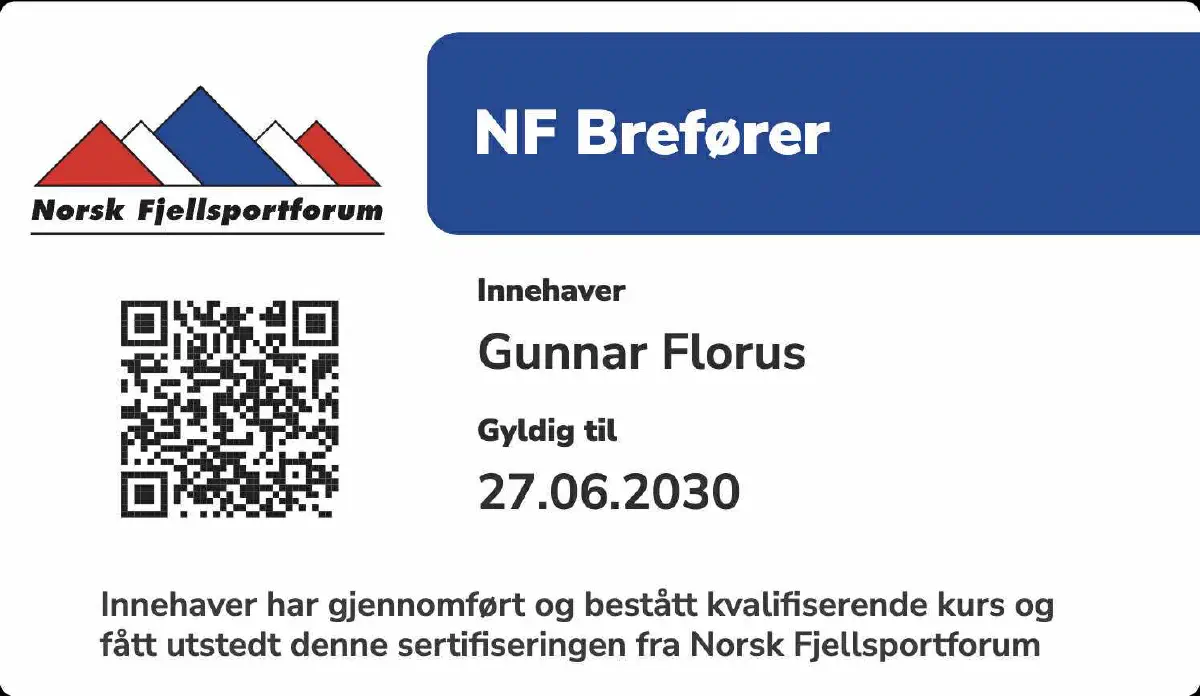
This summer, I completed my glacier guide certification. It is a formal acknowledgement that I am qualified to take responsibility for others on glaciated terrain, and that I do not take this responsibility lightly.
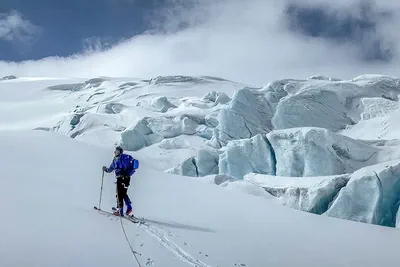
Time on glaciers has taught me the importance of judgement. Calm movement and careful preparation are central, and much of the safety work is done before the first step is taken onto the ice.
Glaciers require steady care. The margin for error is often small, and mistakes can carry serious consequences. For that reason, the final assessment placed equal weight on decision-making under pressure and technical skills.
Requirements
Entry to the glacier guide certification is controlled through formal pre-qualification. Candidates must document substantial recent experience on glaciers and in alpine terrain, including independent route choice and ropework. This includes time on multiple glaciers, both snow-covered and bare ice, alongside broader high-mountain experience. In order to qualify for the training, candidates need at a minimum the following:
- Ten days of glacier travel in private capacity, across relevant glaciers within the past two years.
- Broad alpine experience in high-mountain terrain, such as mountaineering, climbing, and ice climbing, accumulated over multiple seasons.
- General leadership or instructional experience is viewed positively.
- References from two people, preferably instructors or senior practitioners.
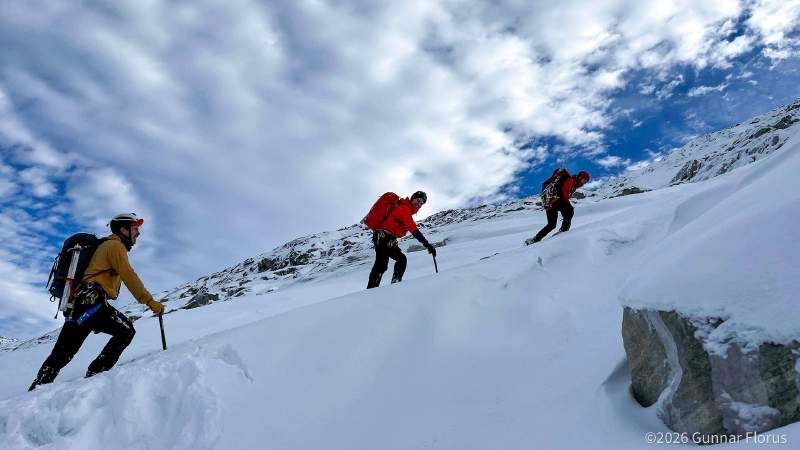
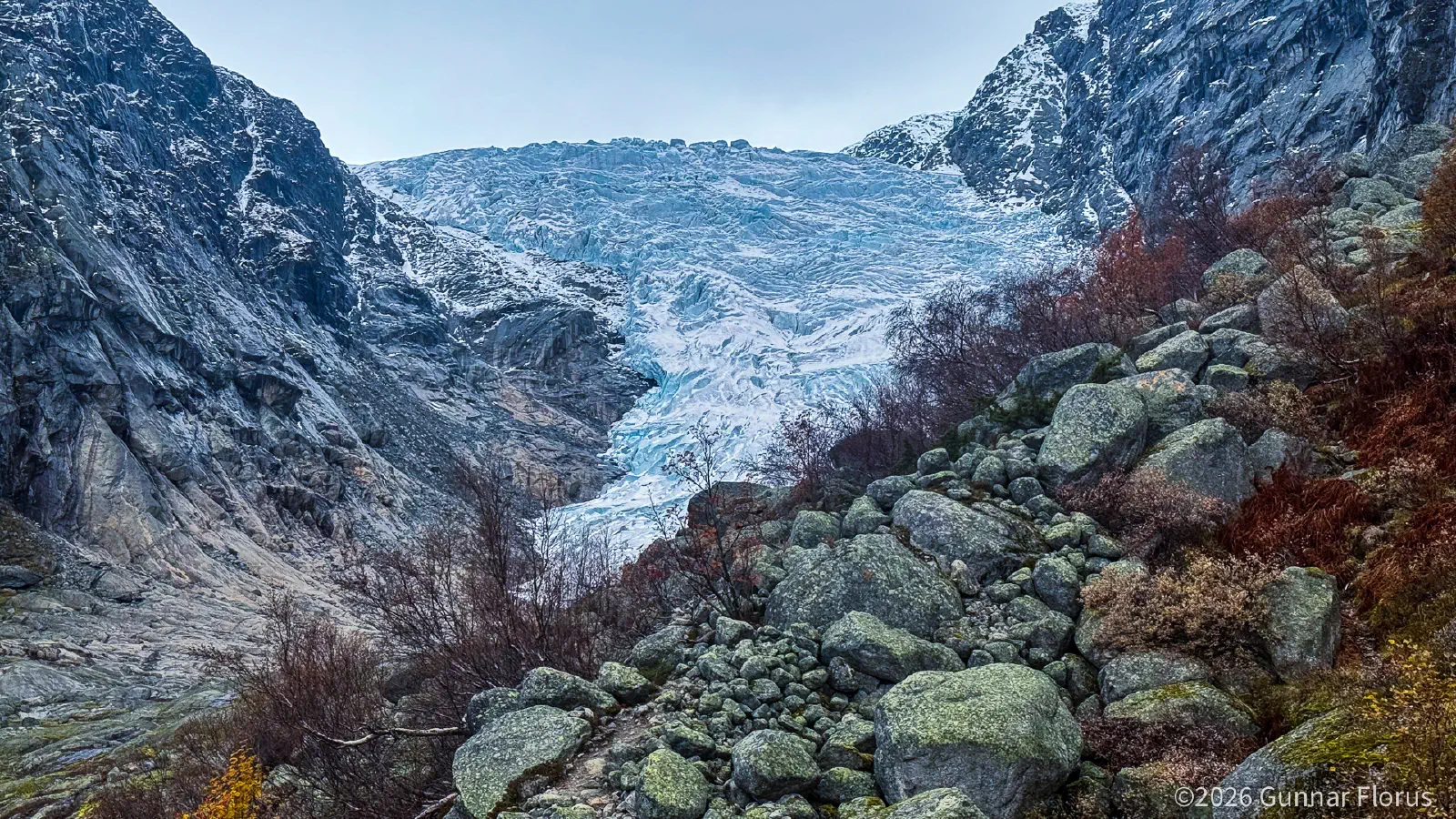
For anyone thriving in alpine and glacier terrain, these requirements should be entirely attainable. As an example, my glacier trek from Nigardsbreen to Steinmannen counted as two days.
Training
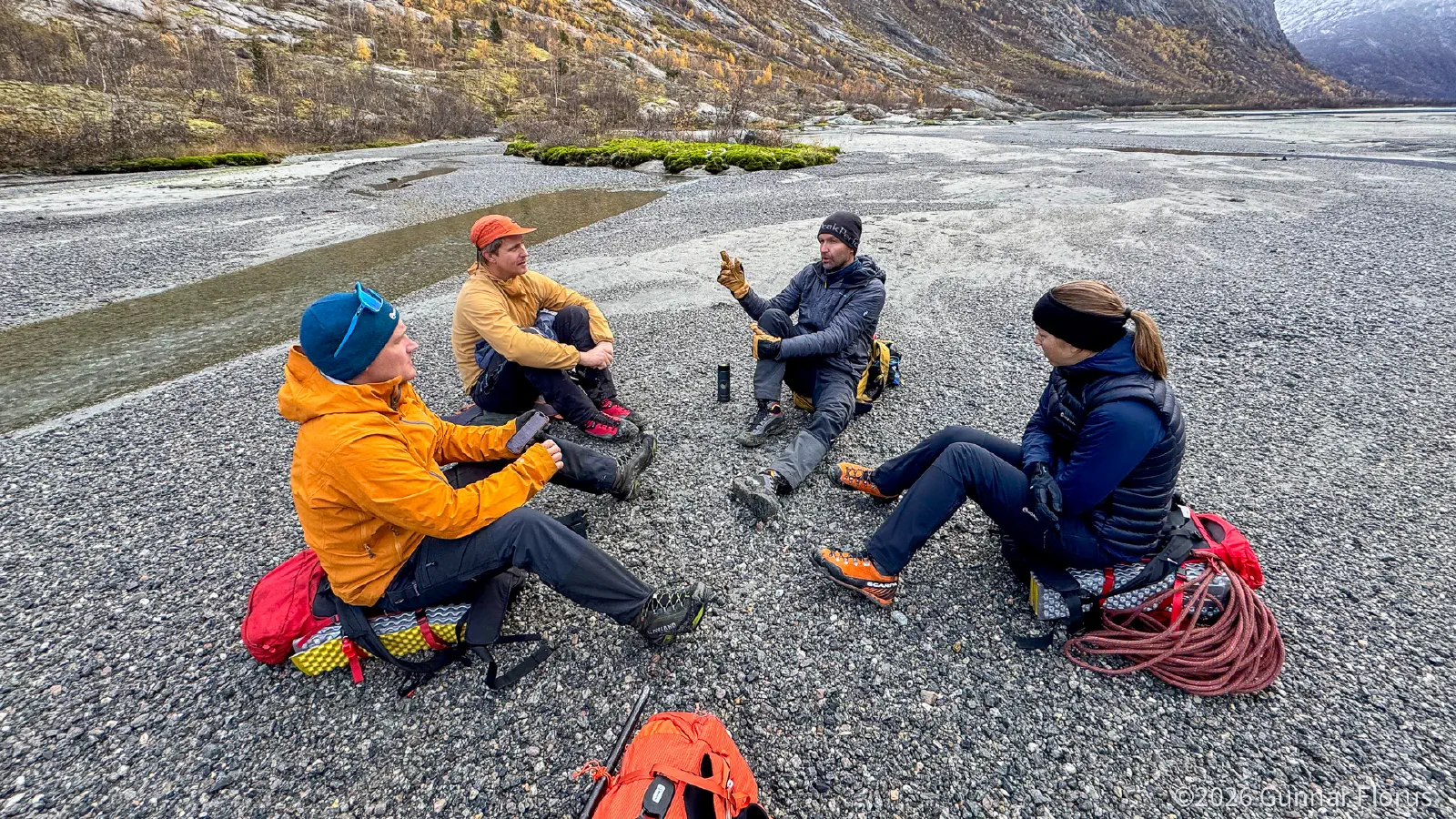
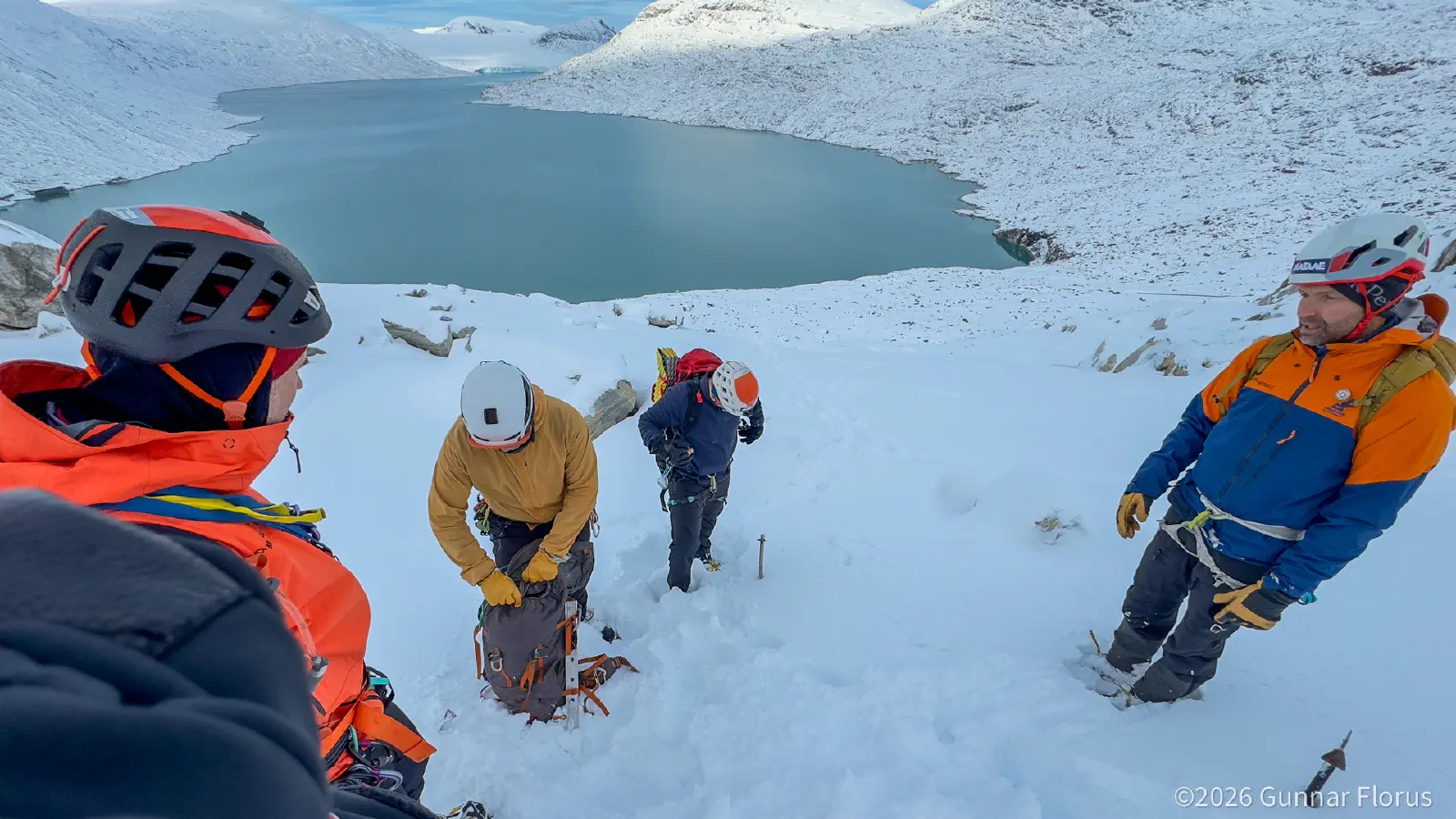
The core of the certification is a five-day glacier guide course conducted on both bare ice and snow-covered glaciers. The course is field-based throughout and combines instruction with continuous evaluation. While there is no formal written exam, participants are assessed daily on judgement, rope team management, route choice, safety systems, and their ability to operate in a guiding context. Candidates who do not meet the required standard are advised to gain further experience before returning to complete the course.
Over the course of the programme, the work includes:
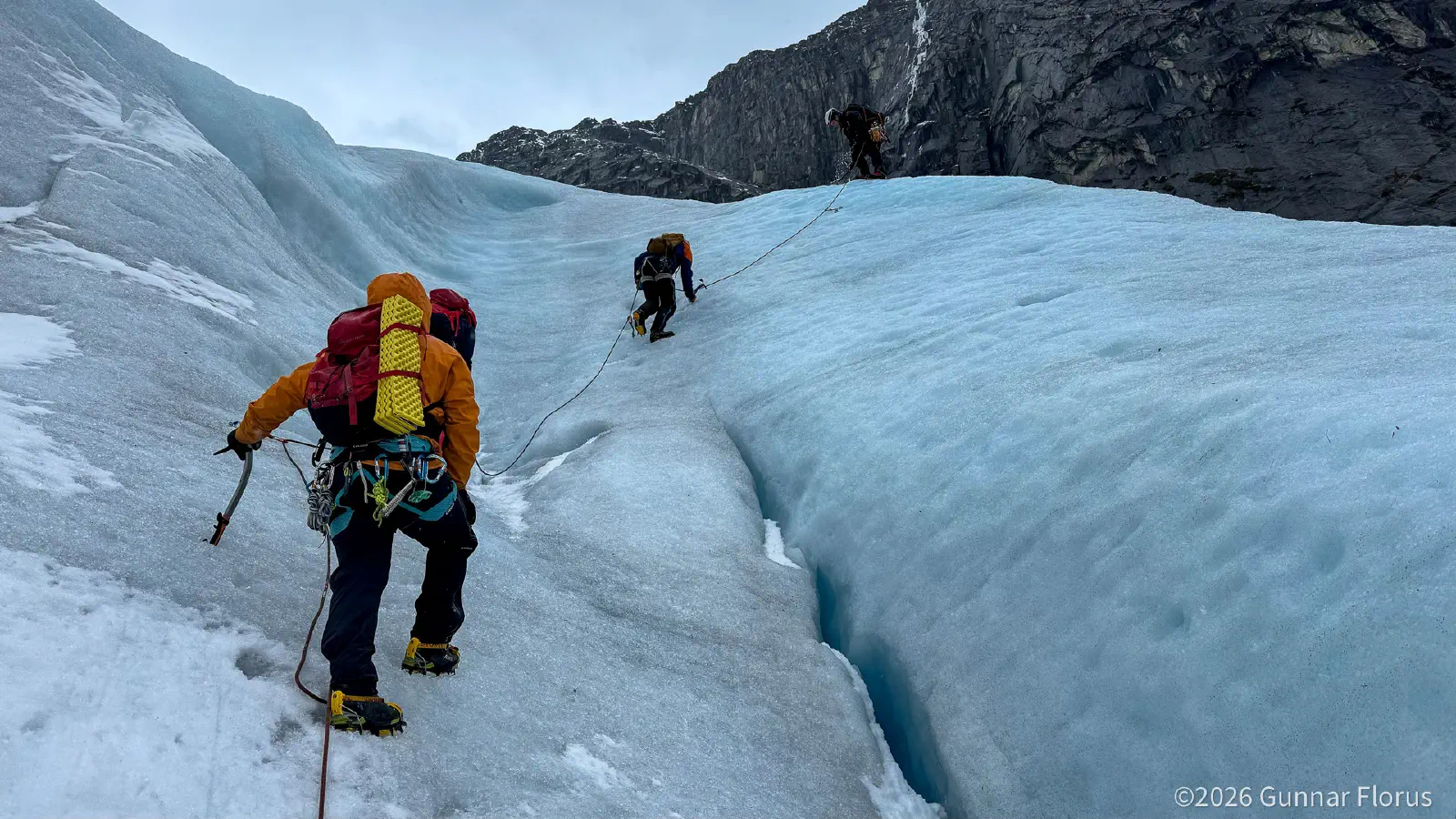
- Guiding small and large rope teams on blue ice and snow-covered glaciers
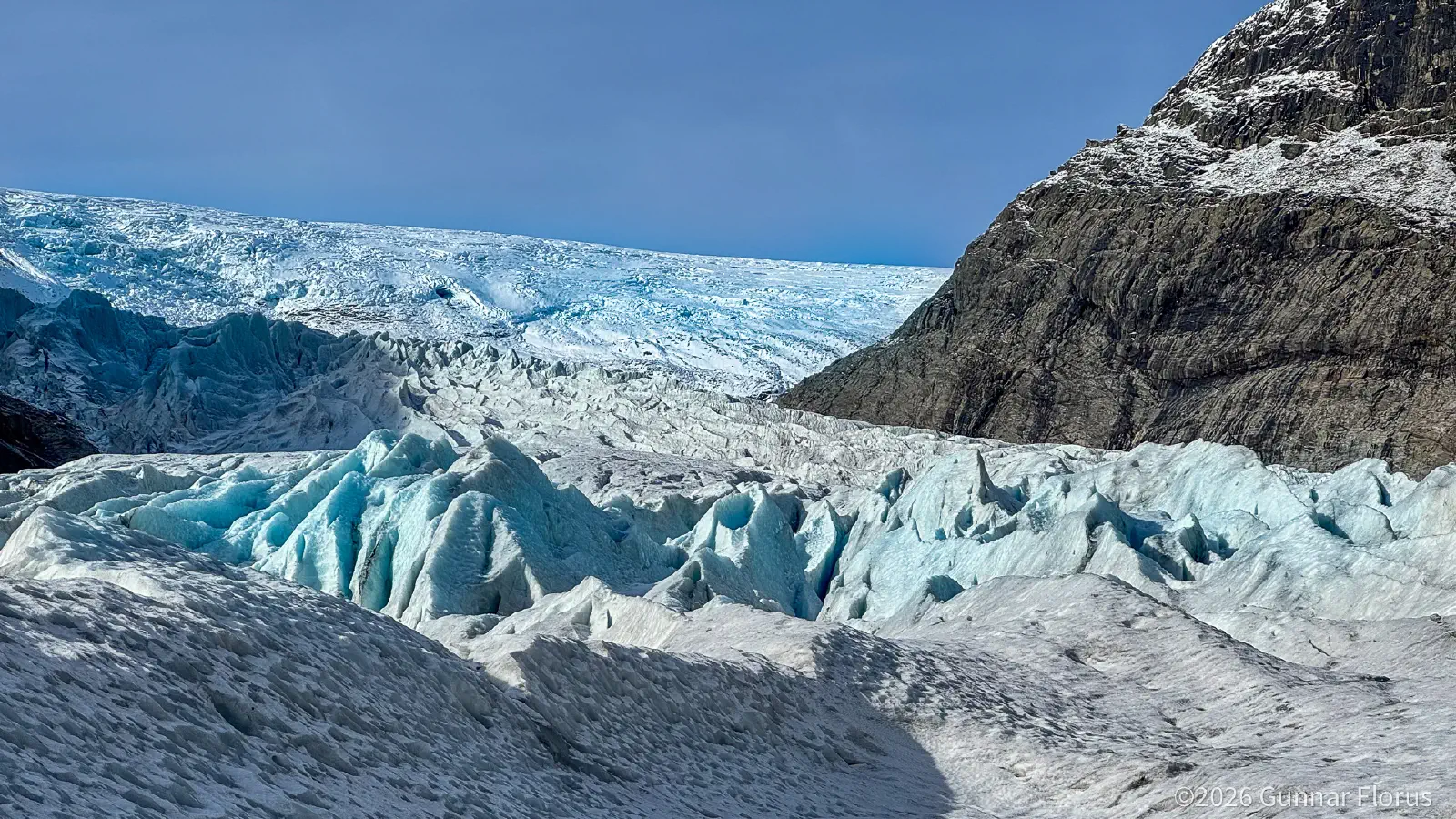
- Reading glacier structure, including surface features, flow patterns, and signs of weakness
- Placement and use of ice screws, snow anchors, and improvised belays
- Route choice, risk assessment, and terrain management in a guiding context
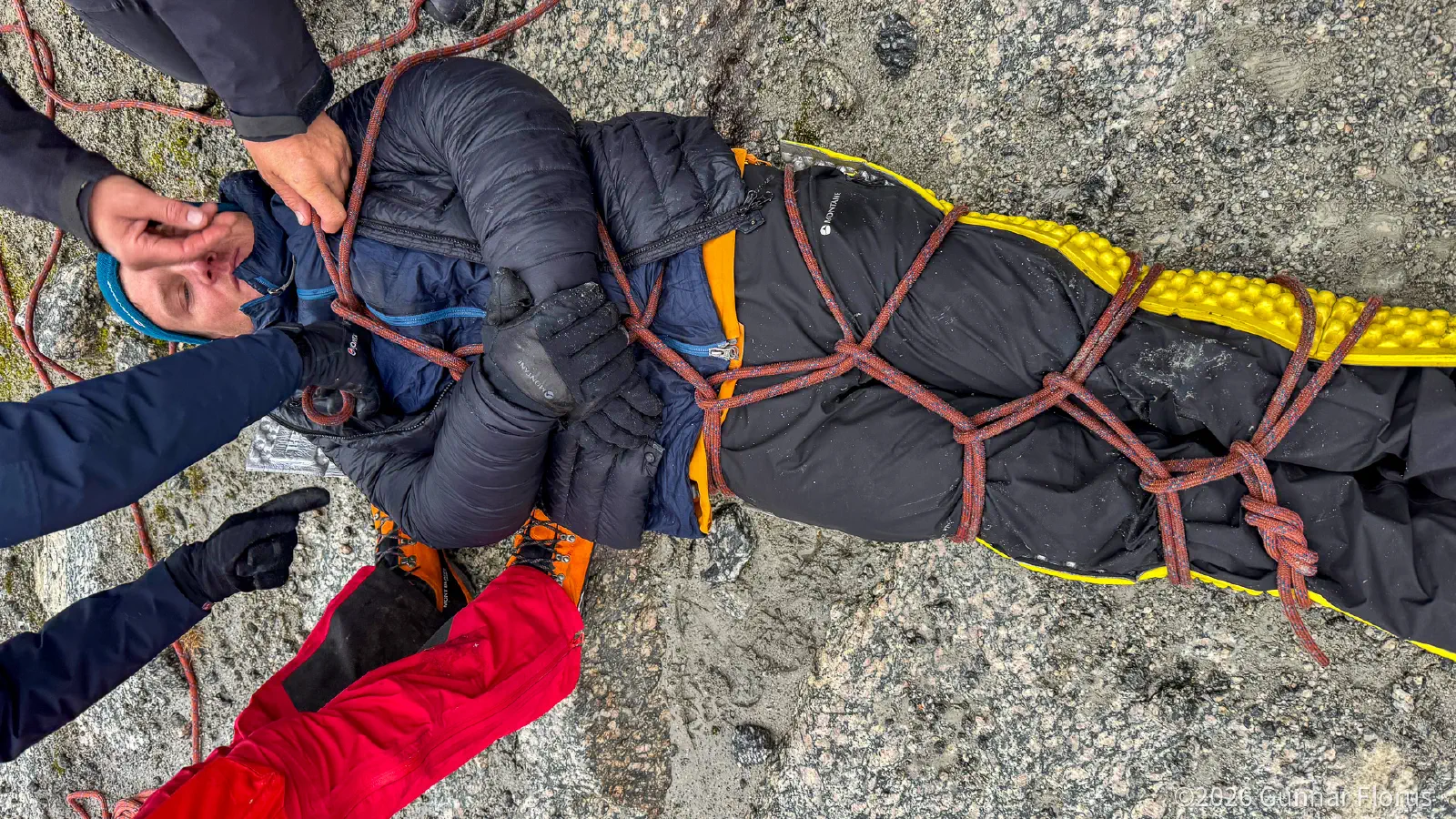
- Crevasse rescue, assisted rescue techniques, and first responder incident management
- Navigation and tour planning in glacier environments
The emphasis throughout is on independent judgement and active participation, rather than following others in a purely guided role.
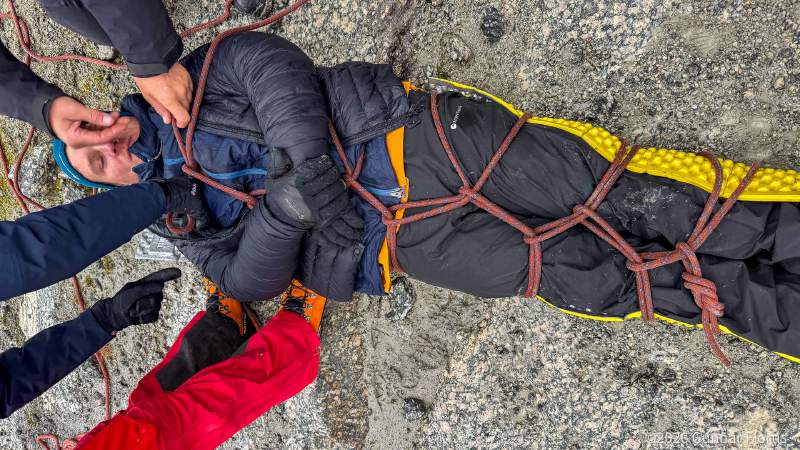
I can strongly recommend doing this with Breogfjell.
Supervised guiding experience
The education is followed by a period of supervised guiding with real clients on a glacier, under the oversight of an approved provider and a certified guide. During this phase, candidates may hold responsibility for their own rope team.
Final authorisation is granted only after successful completion of both stages and a valid first-aid and wilderness rescue certification. The qualification is time-limited and requires periodic revalidation, reflecting the emphasis on sustained competence and responsibility.
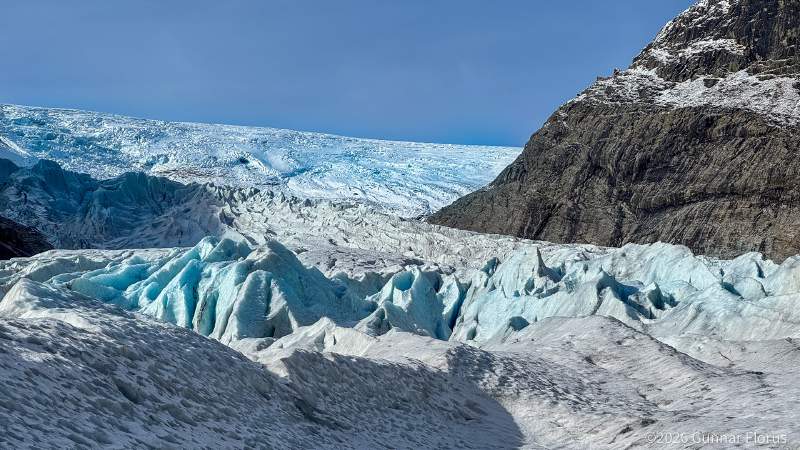
Thanks to Jostedal Breførarlag for allowing me to complete my supervised guiding with them as part of the final assessment.
Further Reading
If you are interested in pursuing a glacier guide certification, I suggest reading the following:
- Bli Brefører (Norwegian) - Official requirements from the Norwegian certifying body.
- NF Glacier Guide Course 5 days - Course description from Breogfjell.
What’s Next
The big question now is what’s next. As a volunteer with the Norwegian Trekking Association (DNT), I am looking forward to participating in their mountaineering activities as a guide and mentor. And at some point, I’m not ruling out certification as a glacier instructor.
For now, though, the glaciers are calling, and I must go!
Image gallery